Buyer's Guide
Complete Guide to Piano Hinges: Types, Sizes & Industrial Applications
Expert guide to piano hinges (continuous hinges): materials, standard sizes, load ratings, industrial applications, installation tips, and how to choose the right piano hinge for your project.
1. What Is a Piano Hinge?
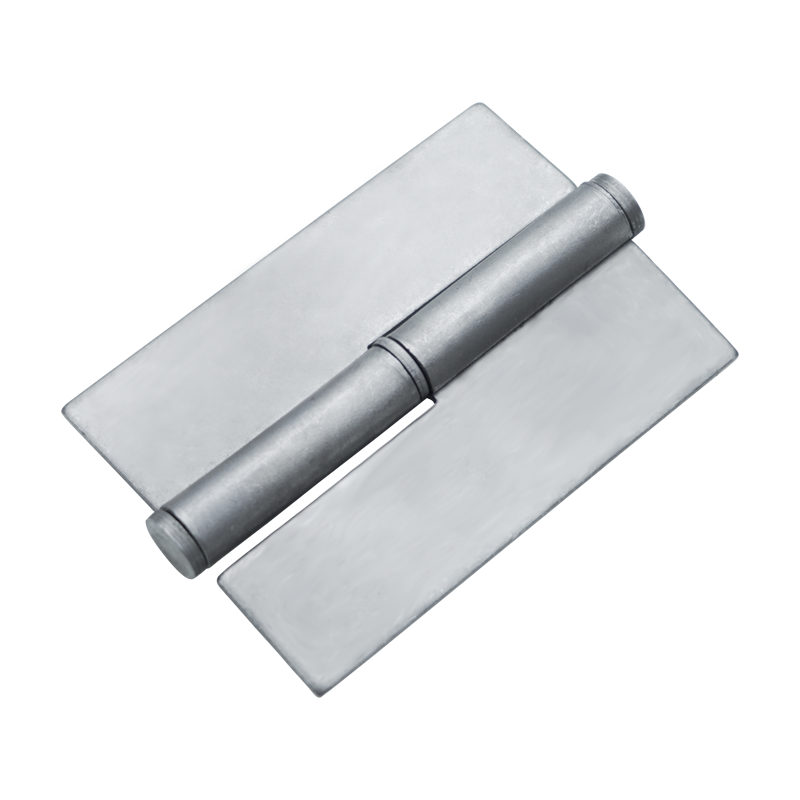
A piano hinge — also called a continuous hinge — is a long, narrow hinge that runs the entire length of the door, lid, or panel it supports. Unlike point-mounted hinges that concentrate load at two or three attachment points, a piano hinge distributes weight evenly across the full joint, delivering superior strength and preventing the door sagging that plagues conventional hinge setups over time.
The name dates back to the 18th century, when instrument makers needed a hinge that could support the full width of a grand piano lid without warping. The design proved so effective that it spread to military equipment, toolboxes, industrial enclosures, and architectural applications. Today, piano hinges are specified in everything from NEMA-rated electrical cabinets to aircraft access panels.
A typical piano hinge consists of two long, narrow leaves (each 25–50mm wide) connected by a continuous pin running through interlocking knuckles. They are sold in standard lengths of 600mm (24"), 900mm (36"), 1200mm (48"), 1800mm (72"), and 2400mm (96"), though they can be cut to any length on site. The continuous pin design means there are no gaps in the hinge line — every millimeter bears load, which is why engineers prefer them for heavy or oversized doors.
2. Piano Hinge vs Regular Hinge
The fundamental difference between a piano hinge and a regular (discrete) hinge is load distribution. A standard butt hinge concentrates the entire door weight on 2–3 small attachment areas, each typically 75–100mm tall. A piano hinge spreads that same load across 600–2400mm of continuous contact. This has several practical consequences:
Load capacity: A pair of 100mm butt hinges on a 1200mm door creates stress at the mounting points, especially at the top hinge. A 1200mm piano hinge eliminates this concentration entirely. For a 20 kg door, each centimeter of piano hinge carries just 0.17 kg — well within the fatigue limit of even thin-gauge steel.
Sag resistance: Point-mounted hinges allow the door to develop a progressive lean away from the hinge side over thousands of cycles. Piano hinges resist this because the continuous attachment prevents angular deflection at any single point. This is why toolbox manufacturers almost universally specify piano hinges for lids — even a small sag would prevent the lid from closing flush.
Sealing: In IP-rated enclosures, the continuous hinge line provides a uniform compression point for gaskets. Discrete hinges create uneven gasket compression between hinge points, which can compromise the seal.
Trade-offs: Piano hinges are heavier, require more fasteners (typically every 75–150mm along the length), and are less adjustable than concealed hinges. They are always surface-mounted and visible. For applications where aesthetics, three-dimensional adjustment, or soft-close damping are priorities, concealed hinges remain the better choice.
3. Types of Piano Hinges by Material
Material selection determines corrosion resistance, load rating, weight, and cost. The four standard materials for piano hinges, ranked by industrial usage volume:
Cold-Rolled Steel (CRS)
The most common and economical choice. Cold-rolled steel piano hinges are typically 0.8–2.0mm thick with a zinc-plated or powder-coated finish for basic corrosion protection. They offer excellent strength-to-cost ratio and are easy to drill, cut, and form.
Best for: Indoor toolboxes, storage cabinets, equipment covers, and non-corrosive industrial environments. Standard zinc plating provides 48–96 hours of salt spray resistance per ASTM B117.
304 Stainless Steel
The standard for harsh environments. 304 stainless steel piano hinges resist corrosion from moisture, salt spray, most chemicals, and UV exposure without any surface coating. They cost 2–3× more than CRS but last indefinitely in outdoor and marine applications.
Best for: Outdoor enclosures, marine hardware, food processing equipment, pharmaceutical machinery, and any environment with chemical exposure. Available in brushed (#4 finish) and mirror-polished (#8 finish).
Aluminum
Aluminum piano hinges weigh approximately one-third of equivalent steel hinges. They naturally resist atmospheric corrosion through oxide layer formation and can be anodized for additional protection and color options (clear, black, gold).
Best for: Aerospace access panels, lightweight enclosures, marine applications where weight matters, and portable equipment. Note: aluminum has lower shear strength than steel — size up by 30–50% compared to steel for equivalent load capacity.
Brass
Brass piano hinges combine exceptional corrosion resistance with a distinctive warm gold tone. They're naturally antimicrobial and resist saltwater corrosion better than 304 stainless steel.
Best for: Marine applications, decorative architectural installations, museum display cases, and premium furniture. Brass is the softest of the four materials, so it's not recommended for high-load industrial applications.
4. Standard Sizes & Dimensions
Piano hinge sizing involves four critical dimensions: open width (total width of both leaves when flat), leaf width (width of one leaf), material thickness, and pin diameter. Here are the standard specifications used across the industry:
| Classification | Open Width | Thickness | Pin Dia. | Load / Meter |
|---|---|---|---|---|
| Light Duty | 25–40mm (1–1.5") | 0.8–1.0mm | 2.5–3.0mm | 5–10 kg |
| Standard Duty | 40–60mm (1.5–2.5") | 1.0–1.5mm | 3.0–4.0mm | 10–20 kg |
| Heavy Duty | 60–80mm (2.5–3") | 1.5–2.0mm | 4.0–5.0mm | 20–40 kg |
| Extra Heavy Duty | 80–120mm (3–5") | 2.0–3.0mm | 5.0–8.0mm | 40–60+ kg |
Standard lengths: 300mm (12"), 600mm (24"), 900mm (36"), 1200mm (48"), 1800mm (72"), and 2400mm (96"). Most suppliers ship in 1800mm or 2400mm stock lengths that buyers cut to the exact dimension needed.
Hole spacing: Pre-punched piano hinges typically have countersunk holes every 50–75mm (2–3"). Some industrial grades come without holes, allowing the installer to drill custom hole patterns for their specific fastener layout.
Pin type: Standard piano hinges use a loose pin (removable for door separation) or a fixed (swaged) pin for permanent installation. Fixed pins are more common in security applications where the door should not be removable from the hinge side.
5. Industrial Applications
Piano hinges are the default specification in applications where full-length support, uniform load distribution, or continuous sealing are required. Here are the major industrial use cases:
Electrical Enclosures & Control Cabinets
NEMA 4/4X and IP65/66 rated enclosures frequently specify continuous hinges because the unbroken hinge line provides a consistent gasket compression surface. A piano hinge ensures the door closes flush across its entire height, maintaining the enclosure's environmental seal. Hengchieh's surface-mounted hinge line includes models specifically designed for enclosure applications with integrated gasket channels.
Toolboxes & Flight Cases
Virtually every professional-grade toolbox uses a piano hinge for the lid. The continuous support prevents lid warping under the weight of tools stored in lid-mounted pockets, and the full-length attachment means no single point bears the stress of repeated slam-open/slam-close cycles. Truck-bed toolboxes typically use heavy-duty stainless steel piano hinges for weather resistance.
HVAC Access Panels & Ductwork
Access doors on air handling units, filter housings, and ductwork use piano hinges for their seal-maintaining properties. The continuous hinge line prevents air leaks that would reduce system efficiency and allows panels to open 180° for full maintenance access.
Workbenches & Fold-Down Tables
Heavy-duty piano hinges are the standard for fold-down workbenches in garages, workshops, and manufacturing cells. A 900mm wide bench with a 30 kg work surface needs a hinge that can support concentrated point loads — a piano hinge distributes that stress across the full width.
Equipment Lids & Covers
Machinery with hinged covers — generators, compressors, CNC machine tool changers, printing presses — use piano hinges to ensure the cover stays aligned over thousands of maintenance cycles. Misalignment from sagging hinges can damage gaskets, compromise safety interlocks, or prevent proper closure.
Architectural & Commercial Doors
Full-height continuous hinges are specified in commercial buildings for fire doors, security doors, and high-traffic interior doors. They meet ANSI/BHMA A156.26 standards and offer lifetimes of 1,000,000+ cycles. The continuous design also improves vandal resistance since there's no exposed pin to drive out.
6. How to Choose the Right Piano Hinge
Selecting the correct piano hinge requires evaluating five factors. Getting any one wrong can mean premature failure or overengineering (wasted cost):
Load Calculation
Calculate the total door/lid weight and apply a 1.5× safety factor. A 15 kg lid needs a piano hinge rated for at least 22.5 kg. For the hinge length you're using, check the per-meter load rating from the table above. Example: a 900mm heavy-duty piano hinge (rated 20–40 kg/m) supports 18–36 kg — adequate for a 15 kg lid with safety factor.
Environment & Corrosion
Indoor, climate-controlled: cold-rolled steel with zinc plating is sufficient. Outdoor or humid: 304 stainless steel minimum. Marine or chemical: 316 stainless steel. Food processing: 304 or 316 stainless with passivated finish per FDA guidelines. Weight-critical: aluminum with anodized finish.
Material Thickness
Thickness directly determines stiffness and load capacity. For light doors under 10 kg, 1.0mm is adequate. Standard industrial applications (10–25 kg) use 1.2–1.5mm. Heavy doors or high-cycle applications (25+ kg) require 2.0mm or above. Over-specifying thickness adds weight and cost; under-specifying risks fatigue cracking at the knuckle.
Pin Type & Diameter
Loose pins allow door removal — useful for maintenance but a security vulnerability. Fixed (swaged) pins prevent removal from the hinge side. Pin diameter should be at least 2× the material thickness for adequate shear strength. A 1.5mm thick hinge needs a minimum 3.0mm pin.
Length & Hole Pattern
The hinge should ideally match the full door height. If the available hinge is longer than the door, cut to size. Pre-punched holes save installation time but limit fastener placement. Blank (un-drilled) hinges allow custom hole patterns for maximum flexibility — recommended for enclosures with specific gasket or mounting rail clearances.
7. Installation Guide
Proper installation of a piano hinge is straightforward but requires attention to alignment. A misaligned continuous hinge will bind or create uneven gaps along its length.
Step 1 — Measure and cut: Measure the door height and mark the hinge. Cut between two knuckles using a hacksaw or angle grinder. File the cut edges smooth and deburr any sharp points.
Step 2 — Dry-fit: Position the hinge on the door and frame with the pin centered on the pivot axis. Use clamps or tape to hold it in place. Open and close the door to verify smooth operation with no binding. Adjust position if needed before drilling.
Step 3 — Mark and drill: For pre-punched hinges, transfer the hole positions to the door and frame using a center punch through the hinge holes. For blank hinges, mark holes every 75–100mm. Drill pilot holes 1mm smaller than your screw diameter.
Step 4 — Fasten: Start by securing the center screw on each leaf, then work outward toward the ends. This technique keeps the hinge aligned as you go. Use flat-head countersunk screws (not pan-head) to sit flush in the countersunk holes. Tighten evenly — over-tightening one screw while others are loose will bow the hinge.
Step 5 — Test and adjust: Open and close the door through its full range. Check for even gaps along the hinge line. If the door binds at certain points, slightly loosen screws in that area and re-tighten after re-aligning.
Critical tips: Use screws with the same corrosion resistance as the hinge — stainless screws for stainless hinges, zinc-plated screws for zinc-plated hinges. Mismatched metals cause galvanic corrosion. For outdoor applications, apply a bead of silicone sealant along the hinge-to-frame joint to prevent water ingress behind the hinge.
8. Piano Hinge vs Butt Hinge vs Concealed Hinge
Each hinge type has its strengths. This comparison helps you determine which is right for your specific application:
| Feature | Piano Hinge | Butt Hinge | Concealed Hinge |
|---|---|---|---|
| Load Distribution | Full-length, uniform | Point-loaded (2–3 points) | Point-loaded (2–3 points) |
| Visibility | Surface-mounted, visible | Surface-mounted, visible | Hidden when closed |
| Sag Resistance | Excellent | Moderate | Good (with mounting plate) |
| Adjustability | None (fixed position) | Minimal (shim only) | 3-axis (vert/horiz/depth) |
| Soft-Close Option | No (add-on damper needed) | Spring models only | Built-in on most models |
| Gasket Seal Support | Excellent (continuous line) | Poor (gaps between hinges) | Moderate |
| Max Load per Door | 60+ kg (heavy duty) | 50 kg (with 3+ hinges) | 25–30 kg typical |
| Typical Applications | Toolboxes, enclosures, lids | Cabinets, doors, panels | Furniture, modern cabinetry |
| Installation Effort | Moderate (many fasteners) | Low (4–8 screws) | Moderate (boring + plate) |
| Cost | Low–moderate | Low | Moderate–high |
Rule of thumb: Choose a piano hinge when the door is long, heavy, or needs continuous gasket compression. Choose a butt hinge when simplicity and easy replacement matter most. Choose a concealed hinge when clean aesthetics and adjustability are the top priorities.
9. Custom Piano Hinges — OEM/ODM Manufacturing
Standard off-the-shelf piano hinges work for many applications, but OEM equipment manufacturers often need customized specifications to match their enclosure design precisely. As a precision hardware manufacturer with 35+ years of die casting, stamping, and CNC machining experience, Hengchieh provides full custom piano hinge manufacturing:
Custom dimensions: Any length from 50mm to 3000mm, open widths from 20mm to 150mm, and thicknesses from 0.8mm to 3.0mm. Non-standard leaf width ratios (asymmetric leaves) are available for applications where one side needs a wider mounting surface.
Material options: Cold-rolled steel (SPCC/DC01), 304 stainless steel, 316 stainless steel, 6061 aluminum, C26000 brass, and zinc alloy die-cast for specialized profiles. Material certificates provided per order.
Surface finishes: Zinc plating (clear/yellow chromate), nickel plating, powder coating (any RAL color), brushed stainless (#4 finish), mirror polish (#8 finish), anodized aluminum (clear/black/custom color), and electrophoretic coating for automotive-grade corrosion resistance.
Special features: Integrated mounting tabs, welded brackets, spring-loaded return mechanisms, friction-hold (position-control) inserts, and pre-applied gasket channels. Hengchieh's in-house tooling shop can develop progressive stamping dies for high-volume custom profiles with 25–30 day lead time.
Quality assurance: All custom piano hinges are manufactured under Hengchieh's IATF 16949 and ISO 9001 certified quality system. Standard inspections include dimensional verification (CMM), salt spray testing (ASTM B117), and cycle testing per customer specification.
MOQ for standard customization (length/finish/hole pattern) starts at 500 pieces. MOQ for custom tooling (new profile/width) starts at 3,000 pieces, with tooling cost subsidized on orders above 10,000 pieces.
10. Frequently Asked Questions
What is a piano hinge used for?
What is the difference between a piano hinge and a continuous hinge?
Can you cut a piano hinge to size?
How much weight can a piano hinge hold?
Does Hengchieh manufacture custom piano hinges?
Browse Our Industrial Hinge Range
Hengchieh manufactures 136 hinge models across surface-mounted and concealed styles, in zinc alloy, stainless steel, iron, and engineering plastics. From standard piano hinges to precision concealed solutions — all backed by 35+ years of manufacturing expertise.